How Do I Book an Appointment?
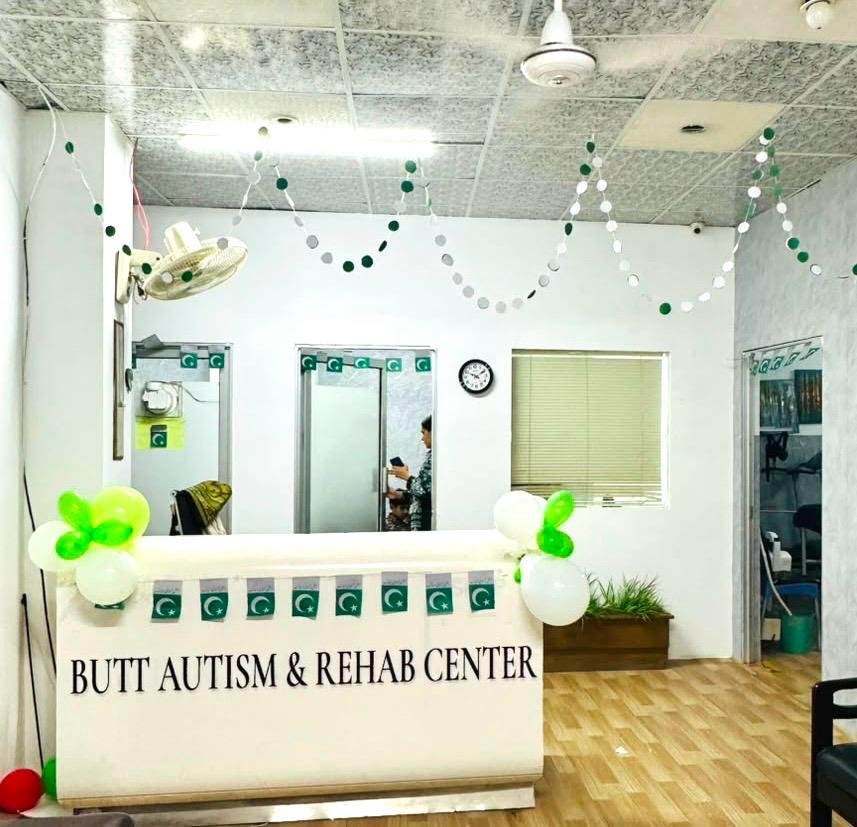
You can call or WhatsApp us at 03310044345 to ask about appointment availability or to arrange a visit to our clinic. You can also fill out the contact form on our website to book an appointment. When booking, let us know which service you are interested in, if you already know. If you are unsure, briefly explain the main difficulty you or your child is experiencing so our team can guide you on the appropriate next step. You can also ask about the current session fee, clinic hours, therapist availability, or the free consultation before confirming your appointment.
What Information Should You Share Before Starting Therapy?
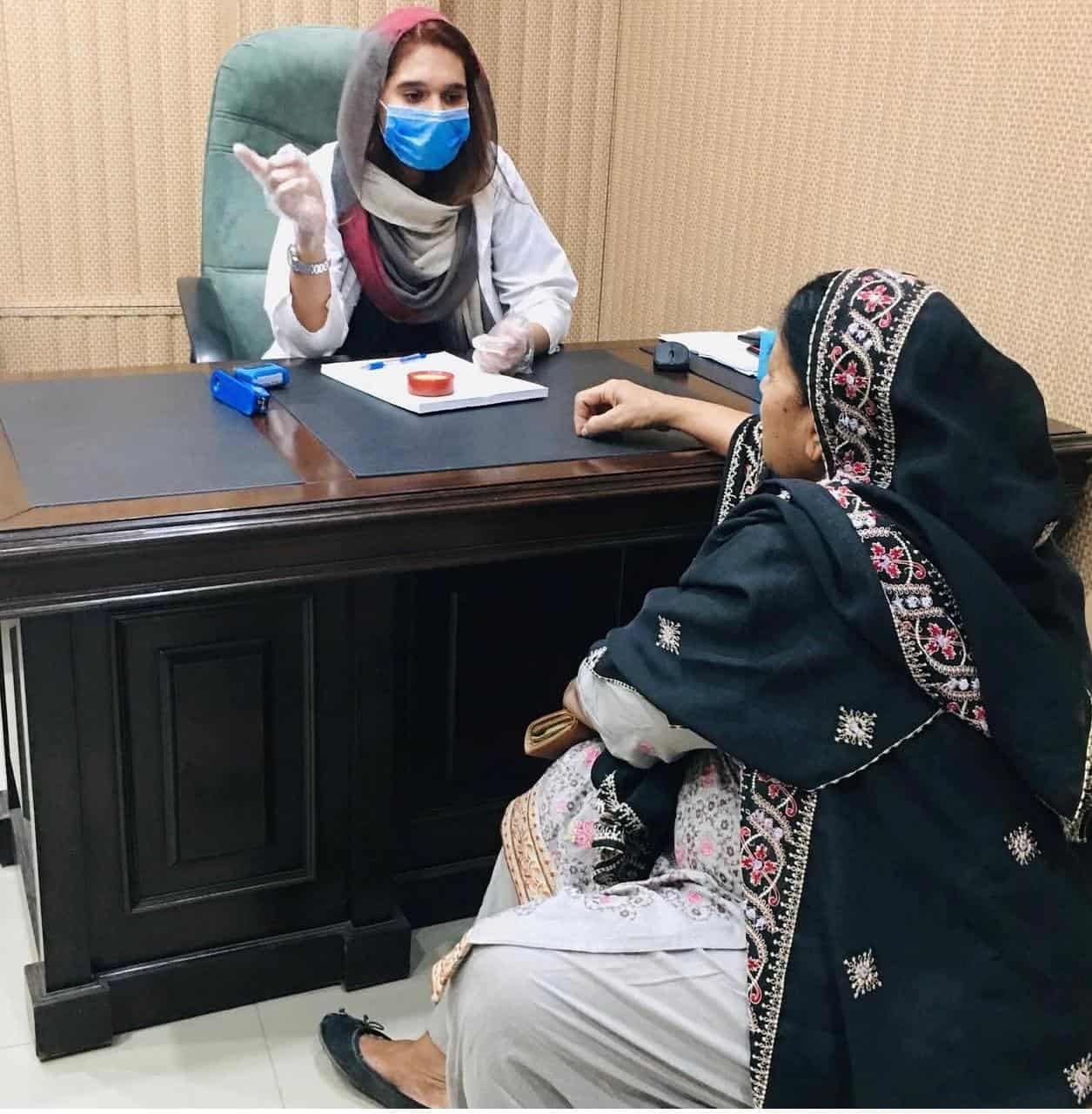
You do not need to know the exact name of the therapy you or your child may need before contacting us. Start by explaining the main difficulty, when you first noticed it, how it affects everyday activities, and whether you have already received any medical, developmental, school, or therapy assessment. For your child, you can also describe concerns about communication, movement, play, sensory responses, self-care, learning, or daily routines. For adults, information about pain, weakness, mobility, injury, surgery, work, or daily independence can help provide useful context. Sharing this information can help identify which service may be appropriate or whether another professional assessment should be considered first.
Why Does Therapy Focus on Everyday Activities?
A physical or developmental difficulty becomes especially important when it interferes with what you or your child need to do every day. Back pain may make sitting at work uncomfortable, while knee pain can make stairs difficult. Speech difficulties may prevent a child from asking for something, answering questions, or explaining what they need. Fine motor difficulties can affect dressing and writing, while sensory responses can make eating, clothing, play, or busy environments difficult. Looking at these everyday effects helps connect therapy with practical goals so the skills addressed during sessions have relevance to life at home, school, work, or in the community.
When Should You Ask About Your Child's Development?
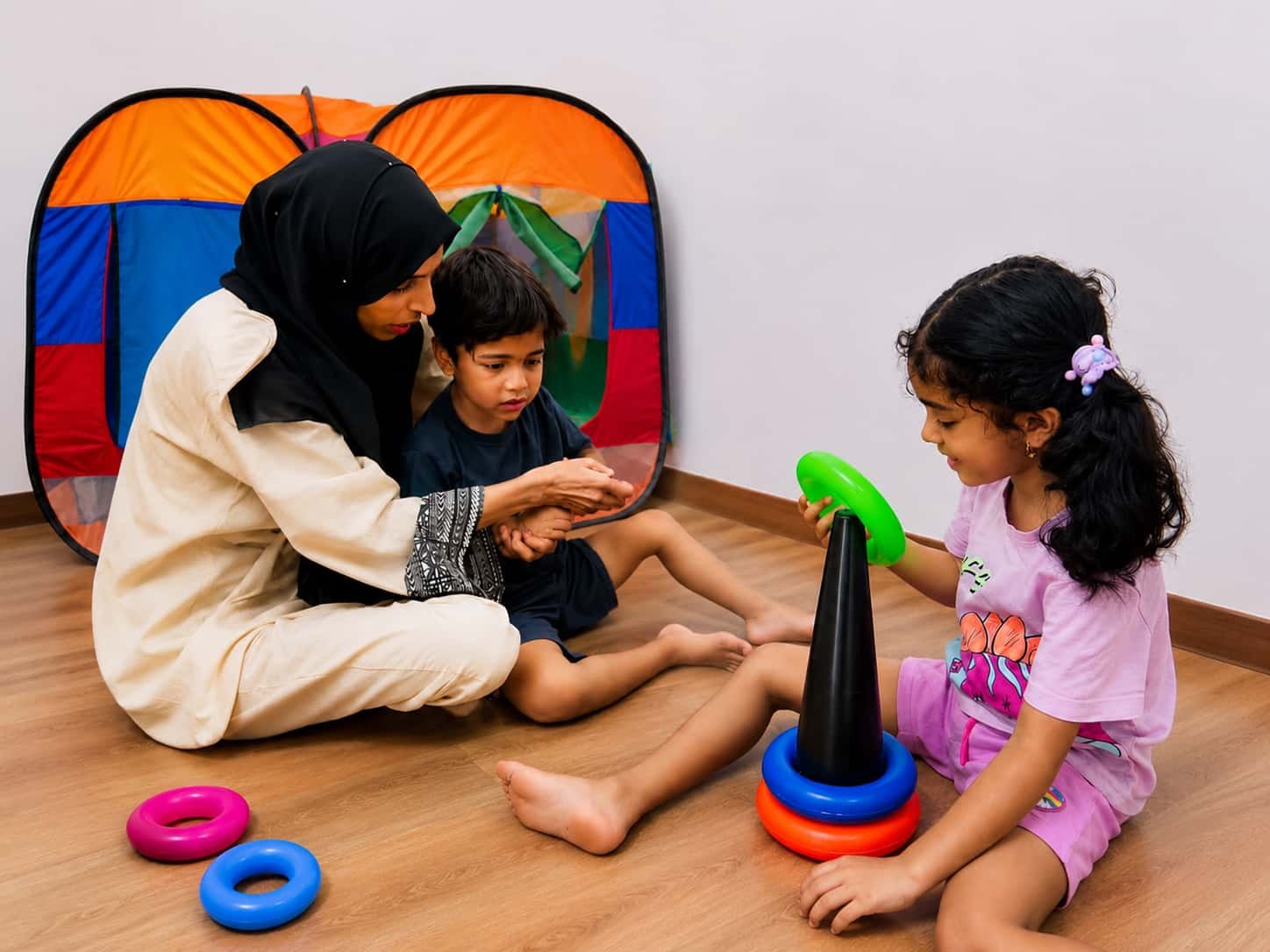
Children develop at different rates, but repeated difficulties with communication, movement, social interaction, play, learning, sensory responses, or everyday activities are reasonable reasons to ask for professional advice. You may notice that your child speaks less than expected, finds everyday instructions difficult to understand, struggles with dressing or feeding, reacts strongly to sounds or textures, frequently loses balance, or finds interaction with other children difficult. These signs do not automatically confirm autism or another diagnosis. Assessment can help identify which areas need closer attention and whether speech therapy, occupational therapy, physiotherapy, autism-related support, medical evaluation, or another service may be relevant.
How Is the Right Therapy Service Selected?
The most relevant service depends primarily on the difficulty affecting the person rather than the name of a diagnosis alone. Problems involving pain, strength, balance, mobility, or physical function may point toward physiotherapy. Communication difficulties may require speech and language assessment, while problems involving self-care, sensory responses, fine motor skills, or participation in everyday activities may relate to occupational therapy. Children with broader developmental concerns may have needs across more than one area. If a problem falls outside the services provided at the center, medical evaluation or another professional service may be more appropriate. The aim is to connect the actual difficulty with the professional area best suited to assess it.
What Happens During a Therapy Assessment?
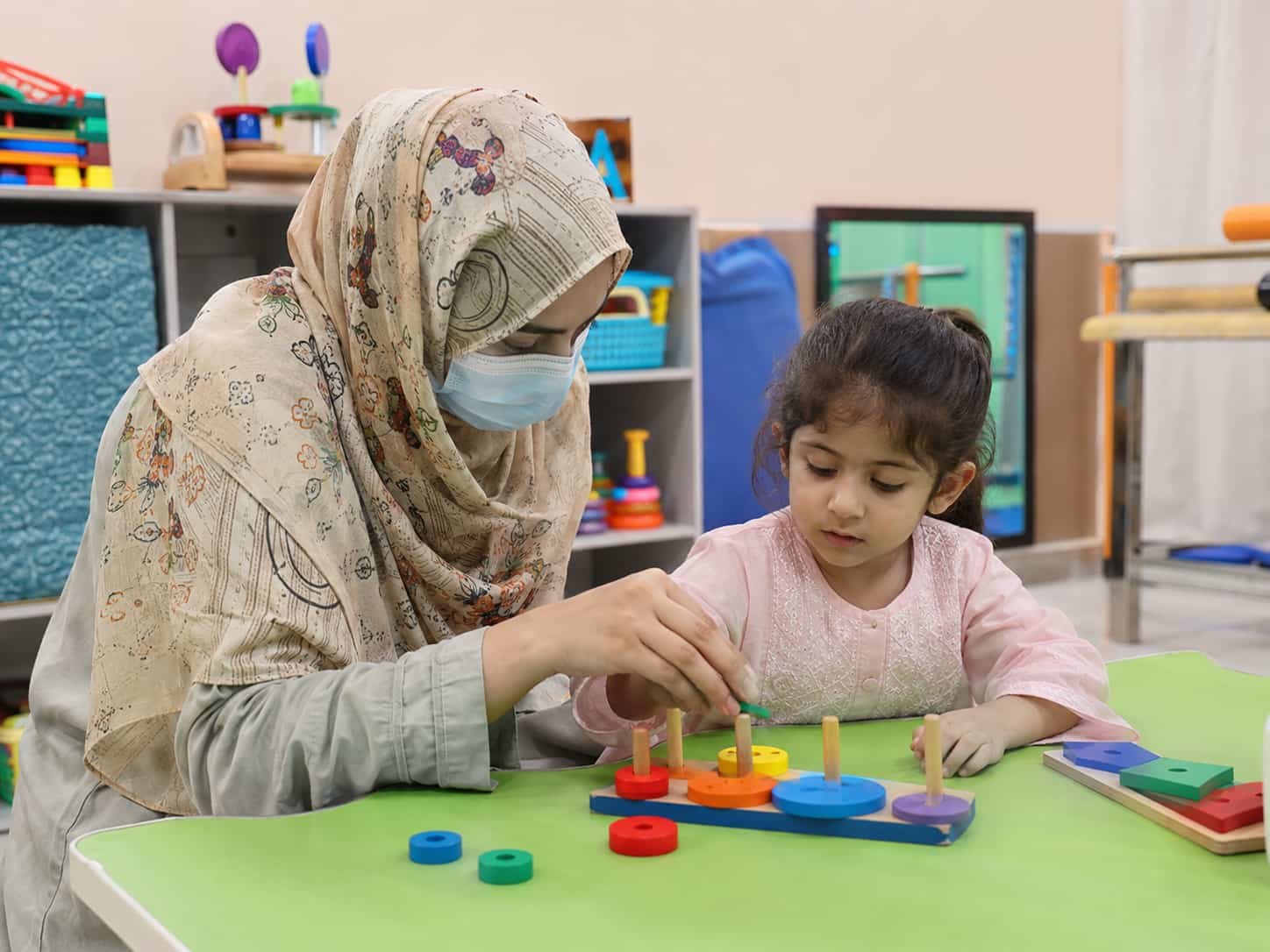
Assessment helps the therapist understand the problem before deciding which abilities or activities may need attention. The process differs according to the service. A physiotherapist may consider symptoms, movement, strength, balance, mobility, and physical function. A speech therapist may assess speech, understanding, expressive language, and functional communication. Occupational therapy assessment may look at self-care, fine motor skills, sensory responses, and everyday participation. Parents may also be asked about developmental history and the activities their child finds difficult. Assessment is not simply about assigning a label. It provides information about current strengths, limitations, and practical needs so therapy goals can have a clear purpose.
How Are Therapy Goals Decided?
Useful therapy goals should connect with something the person needs or wants to do more effectively. A child’s goal may involve communicating a need, understanding an instruction, participating in dressing, completing a classroom task, walking more confidently, or taking part in play. An adult may want to return to work, move more comfortably, use stairs, recover physical function after surgery, or regain independence in an everyday activity. Assessment findings help identify which abilities contribute to these difficulties. Goals should therefore relate to function rather than being chosen simply because a particular exercise or therapy technique is commonly used.
How Is Progress Reviewed During Therapy?
Progress can look different depending on the person and the goal being addressed. A child may begin using a communication skill in more situations, complete part of a self-care activity with less help, participate more effectively in a task, or show improvement in a physical ability. An adult may be able to walk farther, manage stairs more comfortably, move a joint more effectively, or return to an activity that had become difficult. If the intended activity is not improving, the therapist may need to reconsider the approach or goals rather than continuing the same activities automatically. Progress should be judged against the individual’s starting point and practical needs.
Why Can Two People With the Same Diagnosis Need Different Therapy?
A diagnosis provides useful information, but it does not describe every difficulty a person experiences. Two autistic children may differ greatly in communication, sensory responses, self-care, play, and movement. Two people recovering after a stroke may have different problems with walking, balance, arm movement, communication, or independence. Even people with the same painful condition may find different activities difficult. This is why therapy should be based on the individual’s abilities, limitations, daily activities, and goals rather than assuming that everyone with the same diagnosis should receive an identical treatment plan.
When Might More Than One Therapy Service Be Relevant?
More than one service may be considered when difficulties affect separate areas of daily function. An autistic child may need speech therapy because communication is difficult while occupational therapy addresses sensory responses or self-care. A child with cerebral palsy may receive physiotherapy for movement while another therapy addresses communication or everyday activities. An adult recovering from a neurological problem may also have more than one rehabilitation need. However, more therapy is not automatically better. Each service should have a clear reason and should address a specific difficulty affecting movement, communication, participation, independence, or daily function.
When Should Another Healthcare Professional Be Involved?
Therapy does not replace every type of medical, developmental, or specialist assessment. Sudden neurological symptoms, severe or rapidly worsening pain, significant injuries, unexplained loss of function, or other concerning medical changes may require a doctor or another healthcare professional. A child may also need hearing, developmental, psychological, or medical evaluation depending on the concerns being observed. The appropriate professional depends on the nature of the problem. Therapy should remain focused on the areas that the relevant therapist is trained to assess and support, while other concerns should be referred for suitable evaluation when necessary.
What Information Helps During a Therapy Assessment?
Explain what you or your child is finding difficult, when the problem began, whether it has changed, previous diagnoses or treatment, relevant medical history, and which everyday activities are most affected. Parents can describe how their child communicates, plays, moves, manages routines, responds to sensory experiences, or handles self-care tasks. Adults may need to share information about work, mobility, injury, surgery, pain, or activities limited by their symptoms. This information helps connect the person’s difficulty with the appropriate type of assessment and provides context for deciding whether the service being considered fits the person’s needs.
Frequently Asked Questions About Our Therapy Services
Do I Need a Diagnosis Before Asking About Therapy?
Not always. Parents often notice a developmental, communication, movement, or functional difficulty before knowing why it is happening, and adults may experience pain or reduced function without knowing the medical cause. You can begin by explaining what has changed or what is difficult. Assessment may help determine which type of therapy could be relevant, while some concerns may require medical, hearing, developmental, or another professional evaluation before or alongside therapy.
Is Physiotherapy Only for Pain?
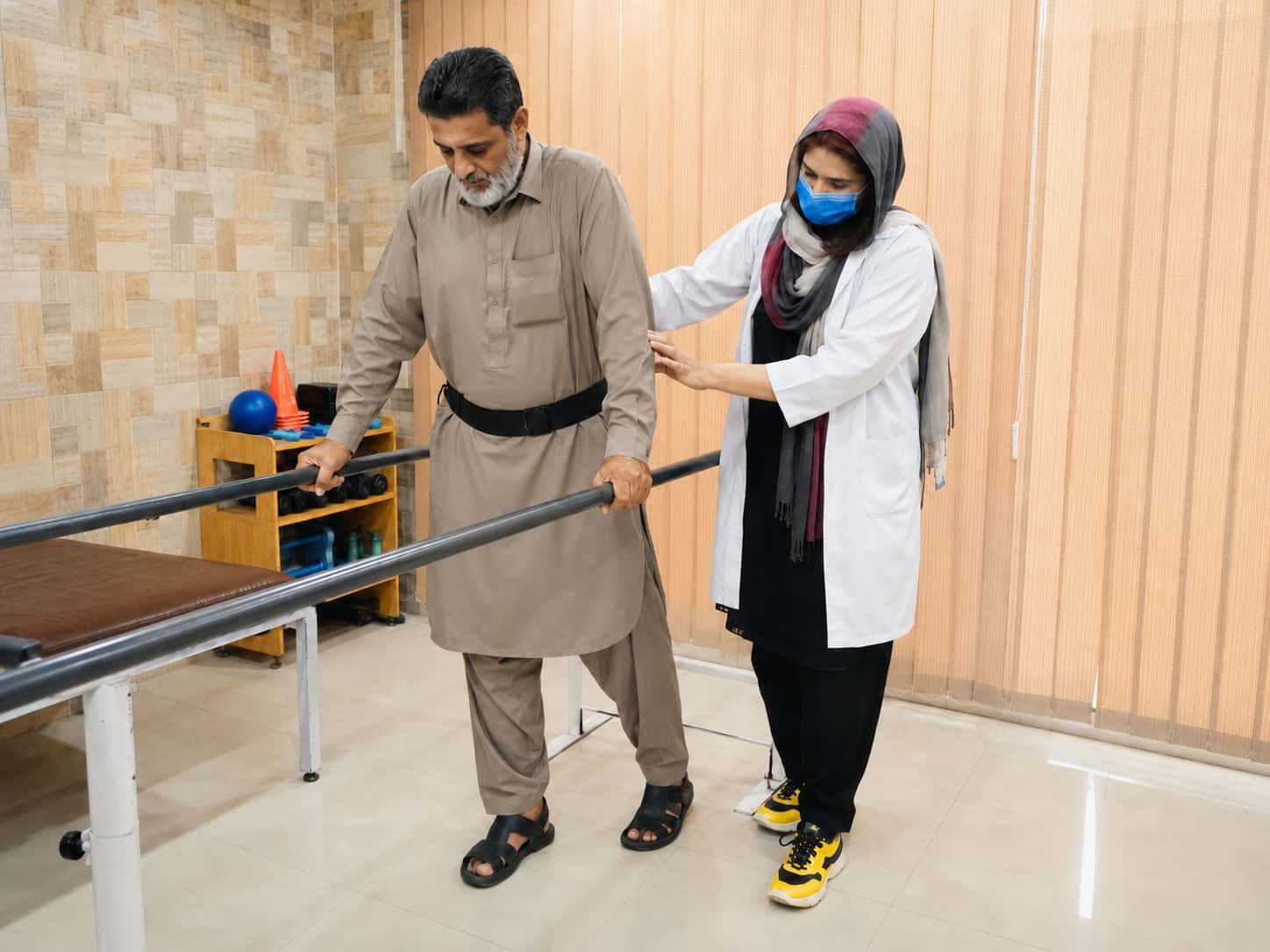
No. Pain is one common reason people seek physiotherapy, but physiotherapy can also address weakness, reduced mobility, poor balance, movement problems, injury recovery, neurological rehabilitation, physical development, and recovery after surgery. The important question is how the physical difficulty affects movement and function. Someone may need physiotherapy because walking, standing, climbing stairs, returning to exercise, or another physical activity has become difficult even when severe pain is not the main problem.
Does Speech Delay Always Mean Autism?
No. Speech or language delay can occur for different reasons and does not by itself confirm autism. Some children have language difficulties without autism, while autistic children can have very different communication abilities. If your child is speaking later than expected or has difficulty understanding and using language, assessment can help identify the communication areas that need attention and whether speech and language support or a broader developmental evaluation may be appropriate.
Can a Child Need Speech Therapy Even If They Already Talk?
Yes. Speech therapy is not limited to children who do not speak. A child may use words but still have difficulty being understood, producing certain speech sounds, understanding instructions, forming sentences, using vocabulary, answering questions, communicating socially, or speaking fluently. The relevant goals depend on the particular communication difficulty and how it affects interaction at home, school, during play, or in other everyday situations.
What Is the Difference Between Occupational Therapy and Physiotherapy?
Physiotherapy mainly focuses on movement, strength, mobility, balance, and physical rehabilitation, while occupational therapy focuses on a person’s ability to participate in everyday activities such as dressing, eating, writing, playing, learning, working, or self-care. There can be overlap because movement difficulties can also affect daily tasks. The most appropriate service depends on the main difficulty and the functional activity the person is trying to perform more effectively.
Can Occupational Therapy Help With Sensory Difficulties?
Occupational therapy may be relevant when responses to sound, touch, clothing, food textures, movement, or busy environments interfere with daily activities. The important issue is not simply whether a child responds differently to a sensory experience, but whether those responses make eating, dressing, play, school participation, self-care, or other routines difficult. An occupational therapist can consider sensory-related difficulties together with the child’s functional needs and participation in everyday life.
Is Cupping Therapy Suitable for Everyone?
No. Cupping is not automatically suitable because it is a traditional or complementary form of care. Health conditions, medicines, skin problems, bleeding concerns, pregnancy, and other factors can affect whether it should be considered. Wet cupping also involves superficial skin punctures and blood exposure, which makes appropriate hygiene and infection-control practices important. Persistent, severe, unexplained, or worsening symptoms may require medical assessment, physiotherapy, or another form of care instead of relying on cupping alone.
Does Everyone Need the Same Type of Therapy for the Same Problem?
No. Two people with a similar diagnosis or difficulty may need different support because their symptoms, abilities, daily responsibilities, age, environment, and goals can be different. For example, two people with knee pain may have different movement limitations, while two children with developmental concerns may have different communication, sensory, motor, or self-care needs. Assessment helps identify which difficulties are affecting daily life so the service and goals can be based on the individual person rather than the diagnosis alone.
Do You Have Female Practitioners?
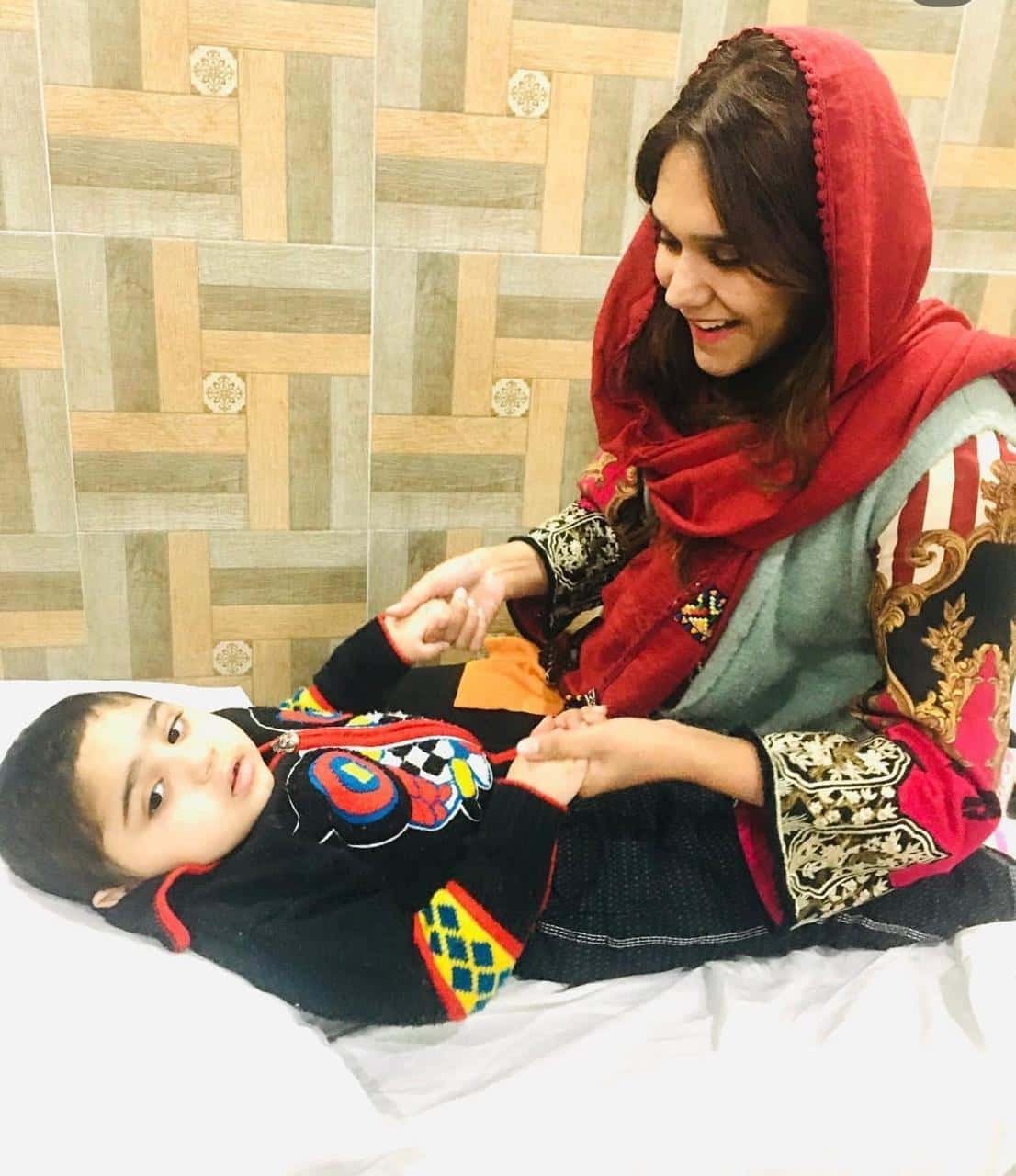
Yes. A female physiotherapist is available for patients who prefer physiotherapy assessment and treatment from a woman. Female cupping and hijama care is also available for women who prefer receiving the procedure from a female practitioner for privacy or comfort. You can mention this preference when arranging your appointment.

 Address: Backside of Butt Brother Pharmacy, Katchery Chowk, Gujrat
 Opening Hours: Mon–Sat 9am–5pm