What Is Physiotherapy?
Physiotherapy is a healthcare service concerned with movement, physical function and rehabilitation. You may need it when pain, injury, illness, surgery, disability, ageing or another physical condition affects your ability to move or perform normal activities. A physiotherapist can consider your symptoms together with joint movement, muscle strength, balance, walking, flexibility, coordination and functional tasks. This helps connect the physical problem with its effect on daily life and gives rehabilitation a practical goal, such as walking more safely, using stairs, returning to work or regaining movement after injury.
How Do I Know If I Need Physiotherapy?
You may consider physiotherapy when a physical problem continues to interfere with your routine or you are struggling to regain function after illness, injury or surgery. You might notice stiffness restricting a joint, weakness making standing or stairs difficult, poor balance while walking, reduced movement after an operation, difficulty returning to activity after an injury, movement changes following a neurological condition or ongoing gross motor difficulties in a child. These problems do not identify a diagnosis by themselves. Assessment helps determine which physical abilities need attention and whether physiotherapy is an appropriate form of care.
What Does a Physiotherapist Assess?
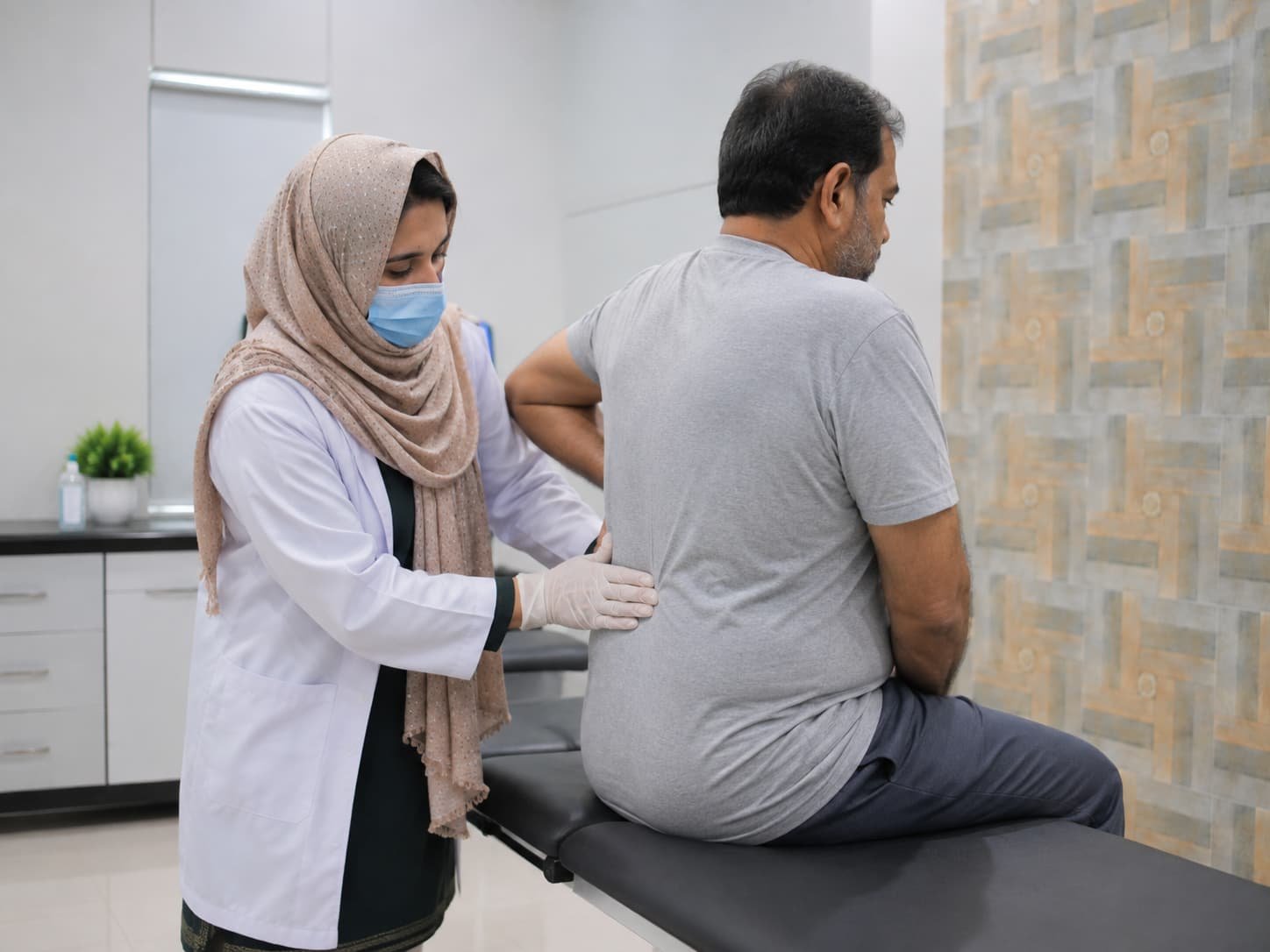
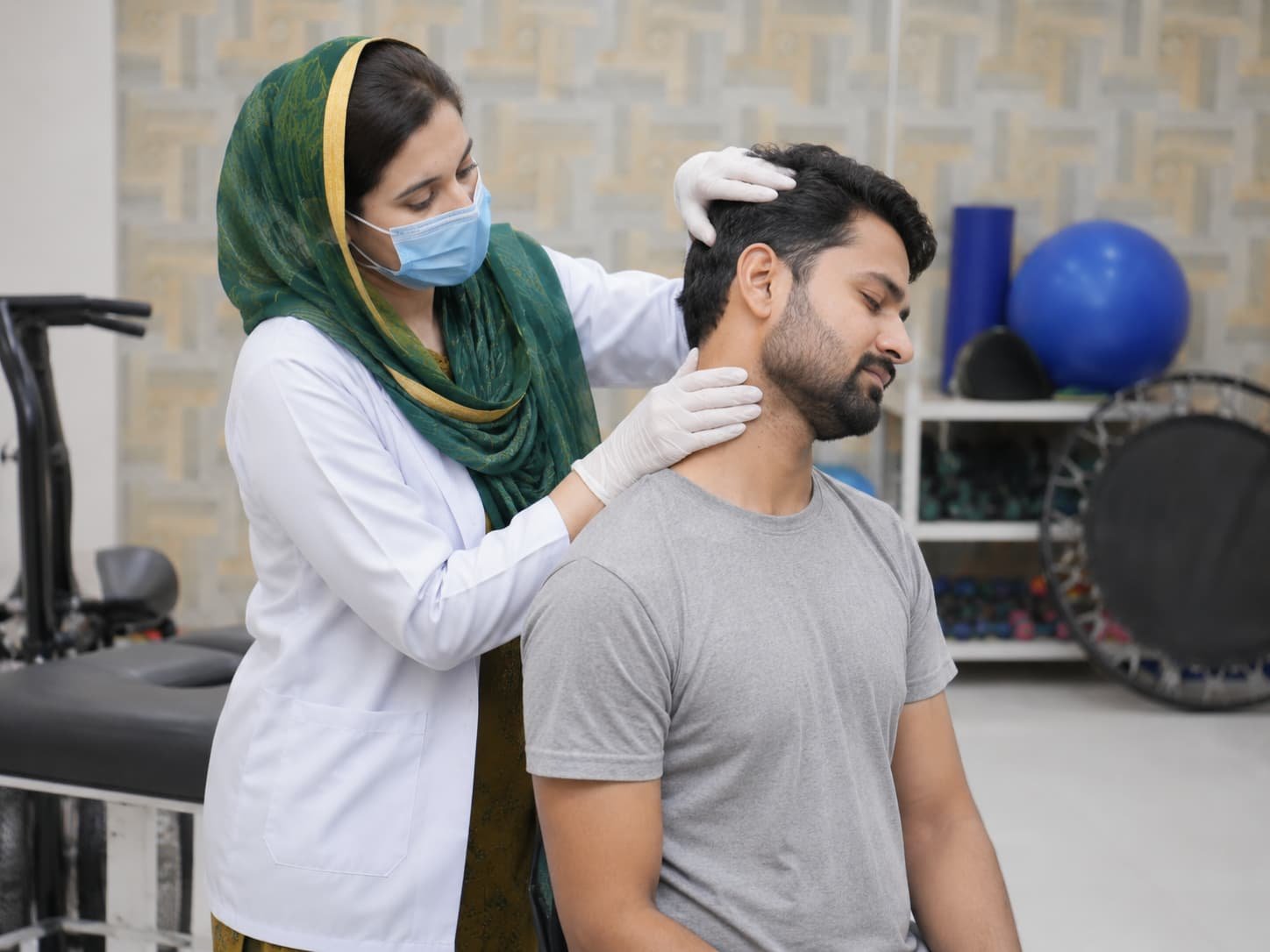
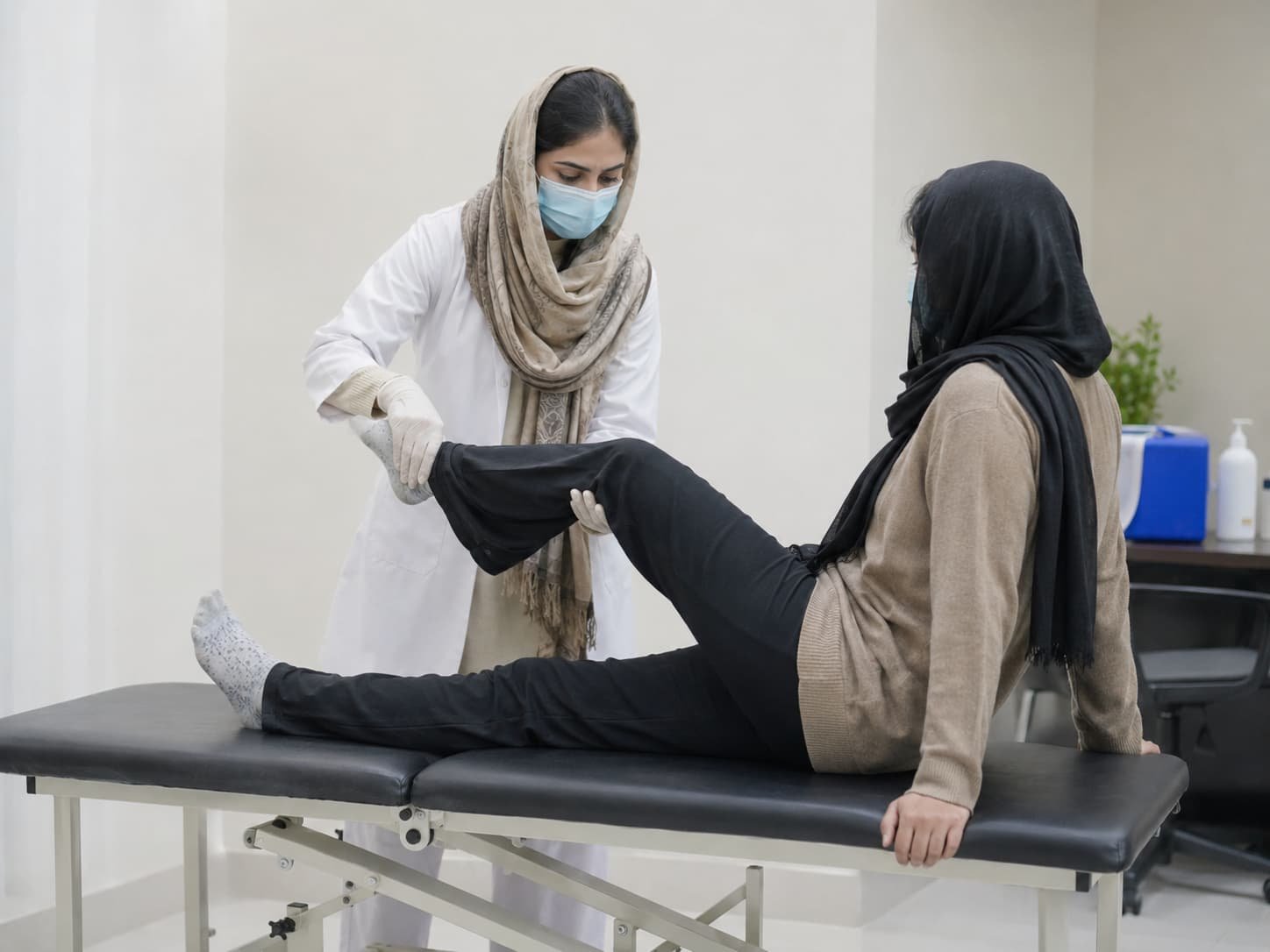
Your physiotherapy assessment starts with what is bothering you and what you are finding difficult. A physiotherapist may ask when symptoms began, whether an injury or medical condition was involved, what makes the problem better or worse and how it affects activities such as walking, work, exercise, sleep, household tasks or self-care. Depending on the problem, assessment can include joint movement, muscle strength, balance, walking pattern, flexibility, coordination, movement control and functional activities. The purpose is to connect your symptoms with the physical abilities that may require rehabilitation. A physiotherapist in Gujrat can use these findings to understand which physical limitations are affecting your daily activities and which areas may need attention during treatment.
What Can Physiotherapy Treatment Include?
Physiotherapy treatment can include different methods depending on your symptoms, physical abilities, assessment findings, and rehabilitation goals. Your plan may involve movement exercises, strengthening, mobility work, balance training, walking practice, stretching, posture-related rehabilitation, hands-on techniques, home exercises, or other appropriate methods. Treatment should not be based on one machine or the same routine for every patient. The methods selected should relate to the physical difficulty affecting your movement, comfort, independence, or ability to complete everyday activities.
Which Physiotherapy Modalities and Equipment May Be Used?
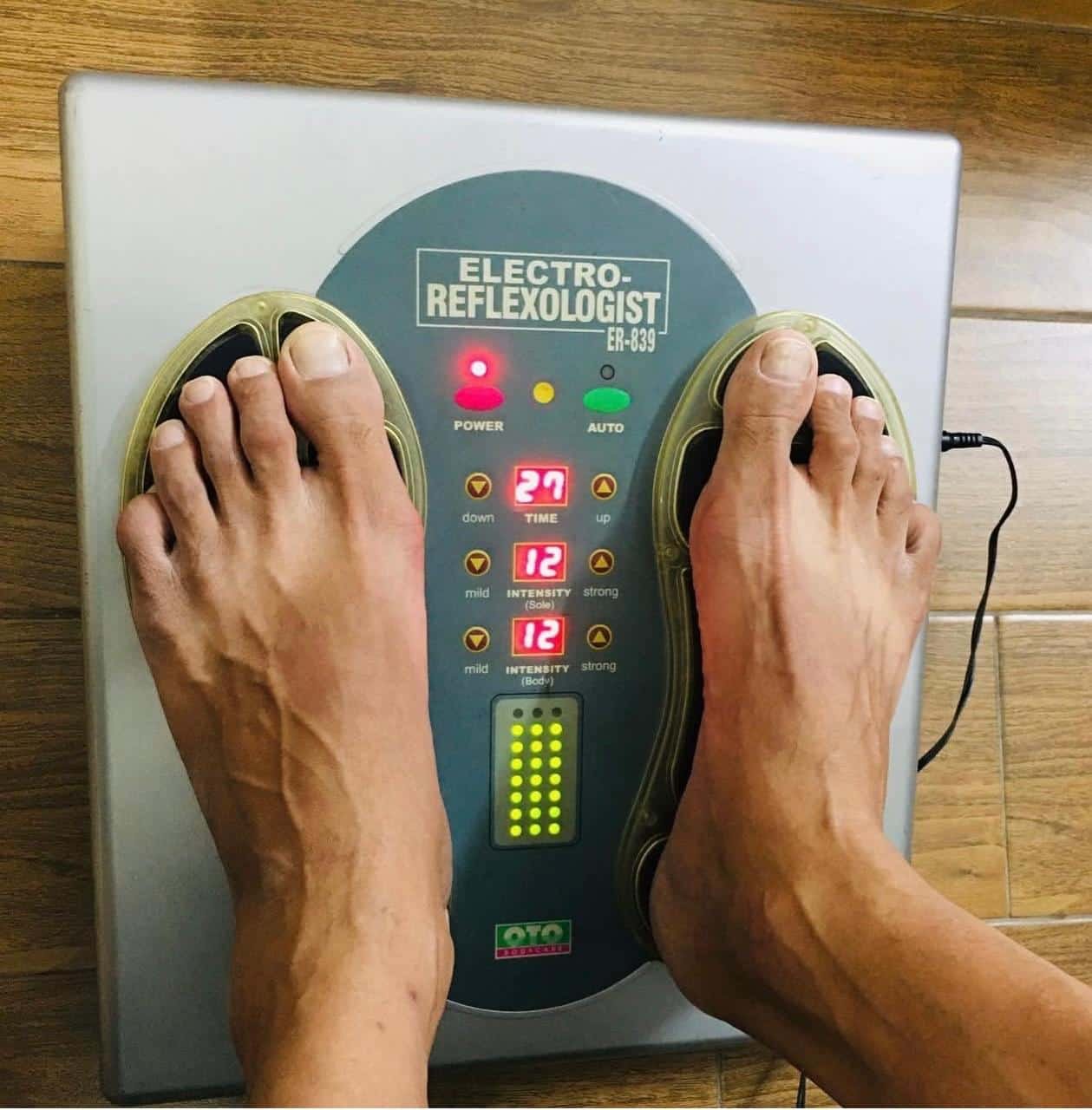
Alongside exercise and movement-based rehabilitation, selected physiotherapy modalities or equipment may sometimes be used when they have a clear purpose within your treatment plan. These methods are not automatically needed for every patient. Your physiotherapist can consider your symptoms, medical history, physical assessment, skin sensation, movement limitations, and treatment goals before deciding whether a particular modality is suitable for you.
How Can TENS Support Pain Management?
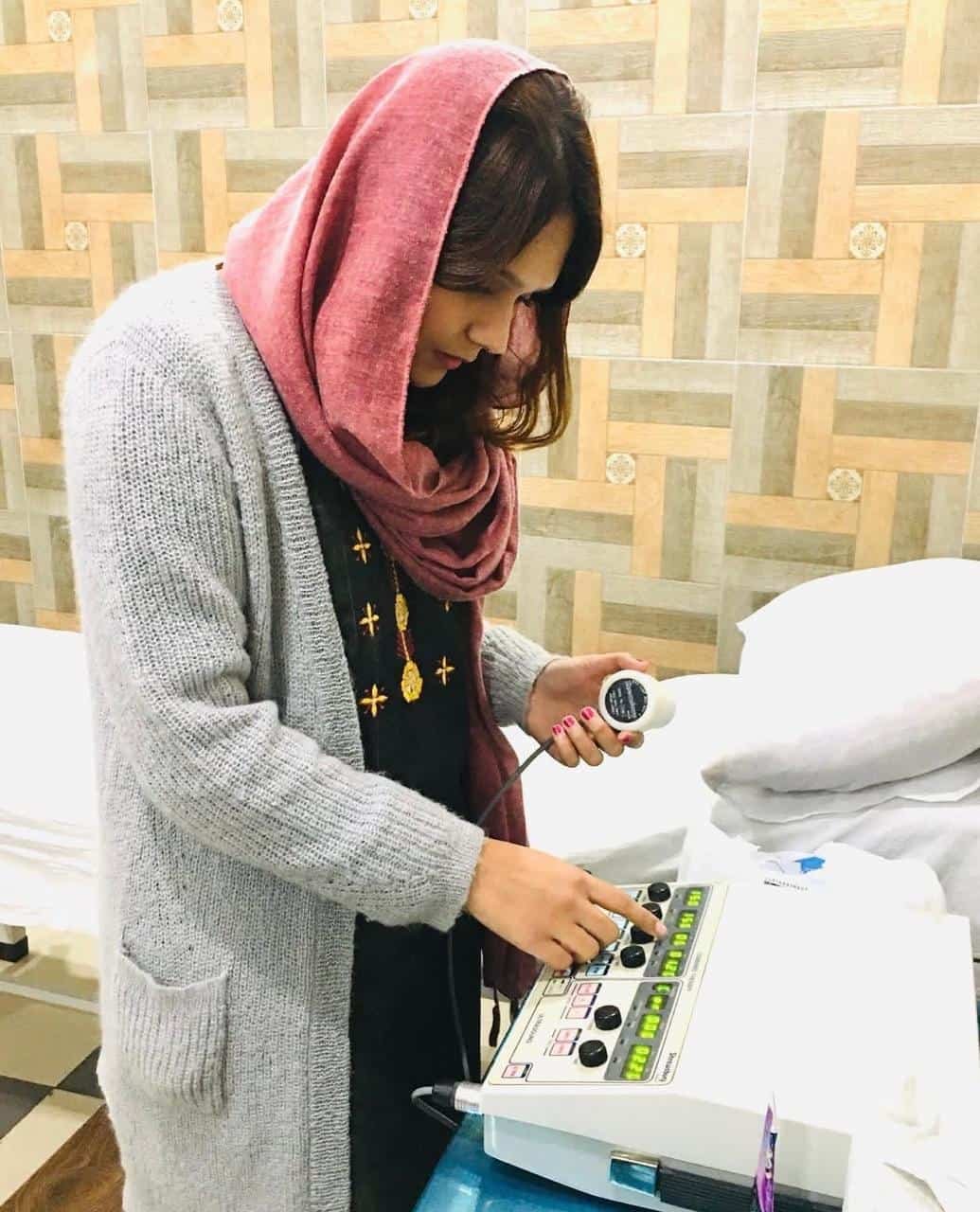
TENS, or Transcutaneous Electrical Nerve Stimulation, uses mild electrical impulses delivered through pads placed on the skin. It may be used as an additional method to help manage certain types of pain or muscle discomfort, especially when pain is making movement or rehabilitation exercises difficult. For some people with painful diabetic neuropathy, TENS may also help reduce symptoms such as burning, tingling, or aching. It does not repair damaged nerves or replace medical treatment for diabetes or another underlying condition. Your physiotherapist should consider your symptoms, skin condition, sensation, medical history, and other relevant factors before deciding whether TENS is suitable for you.
When May Heat Therapy Be Used in Physiotherapy?
Heat therapy may be used when muscle tightness, stiffness, or discomfort is making movement difficult. A controlled hot pack or heating pad can provide temporary warmth and comfort and may sometimes be used before stretching, mobility exercises, or other rehabilitation activities. Heat is not appropriate for every patient, particularly when skin sensation is reduced or when there are circulation problems, broken skin, or another condition that increases the risk of burns. Your physiotherapist can assess whether heat therapy is suitable and how it should be used as part of your treatment plan.
When May Therapeutic Ultrasound Be Used?
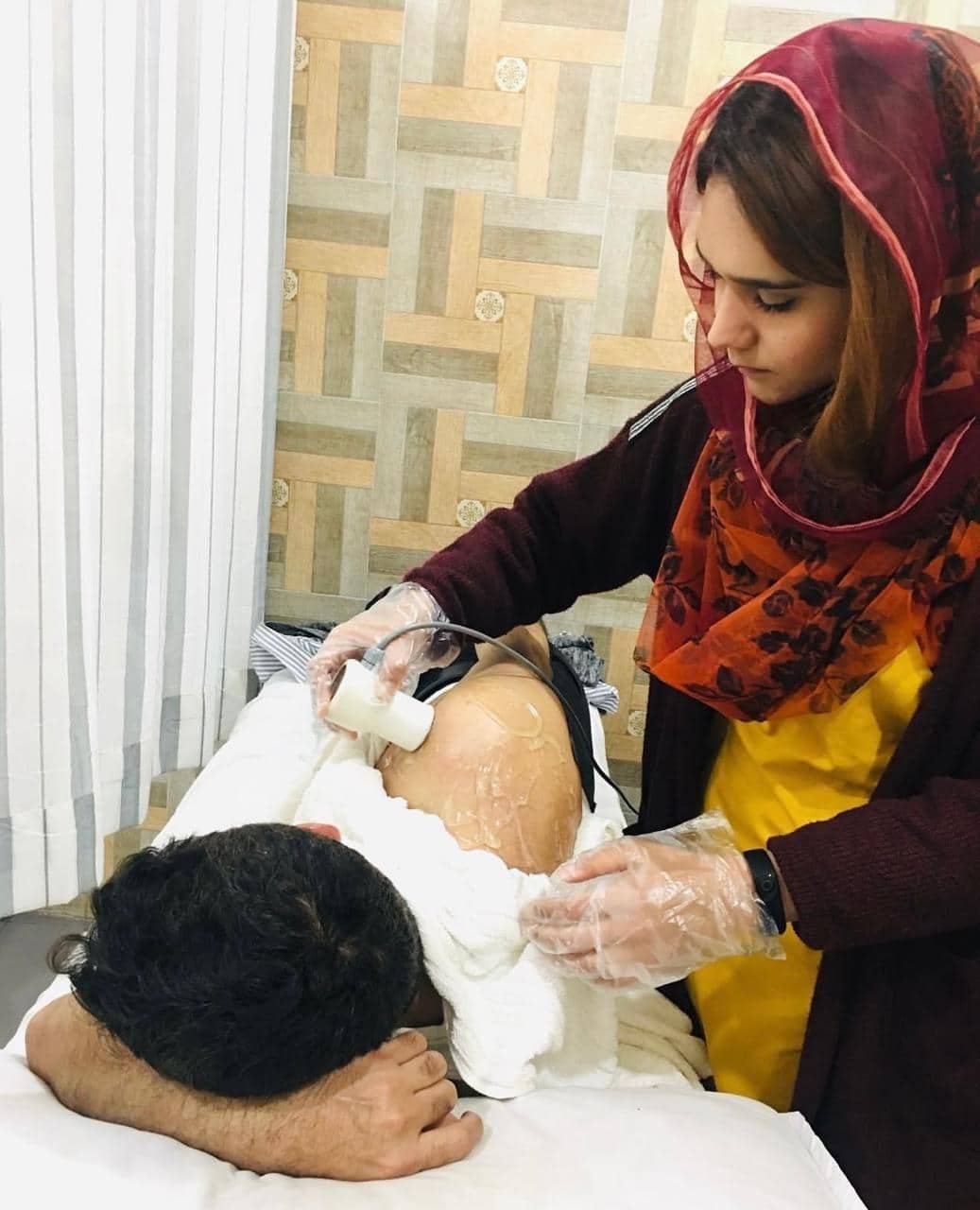
Therapeutic ultrasound uses high-frequency sound waves delivered through a treatment head placed on the skin. It may be considered as an additional treatment method for selected musculoskeletal problems when the physiotherapist believes it has a useful role within the wider rehabilitation plan. Ultrasound should not be viewed as a treatment that automatically heals every muscle, tendon, ligament, or joint problem. Its usefulness can vary depending on the condition. When used, it may be combined with exercise, mobility work, strengthening, or other appropriate physiotherapy methods rather than being used as the only treatment.
How Can Infrared Heat Therapy Support Treatment?
Infrared heat therapy uses an infrared lamp to provide superficial warmth to the treatment area. It may be used in selected patients to provide temporary comfort, reduce feelings of stiffness, and help muscles relax before movement or exercise. Because heat can damage the skin when sensation is reduced, extra caution is needed for people with diabetic neuropathy, reduced skin sensation, circulation problems, or certain skin conditions. Your physiotherapist should decide whether infrared heat therapy is appropriate for your condition rather than using it routinely for every type of pain.
When Might Mechanical Traction Be Considered?
Mechanical traction uses a controlled pulling force that may be applied to the spine in selected cases. Whether traction is suitable depends on your symptoms, physical assessment, medical history, and the reason for your pain or movement problem. Mechanical traction may be available for selected rehabilitation needs, but it is not appropriate for every spinal problem. In particular, current guidelines do not recommend traction for routine management of low back pain with or without sciatica. Your physiotherapist should consider your diagnosis, symptoms, and assessment findings before deciding whether traction has any appropriate role in your care.
How Can Percussion Therapy Help With Muscle Tightness?
Percussion therapy uses a handheld massage device, such as a massage gun or Theragun, to deliver rapid repetitive pulses to the muscles. It may help some patients feel less muscle tightness and may temporarily support mobility or comfort before or after appropriate rehabilitation exercises. Percussion therapy does not correct the underlying cause of every painful or tight muscle and should not replace assessment, strengthening, movement rehabilitation, or other treatment that may be needed. Your physiotherapist can decide whether percussion therapy is suitable for the area being treated and how it should fit into your overall plan.
How Can Treadmill Gait Training Support Walking?
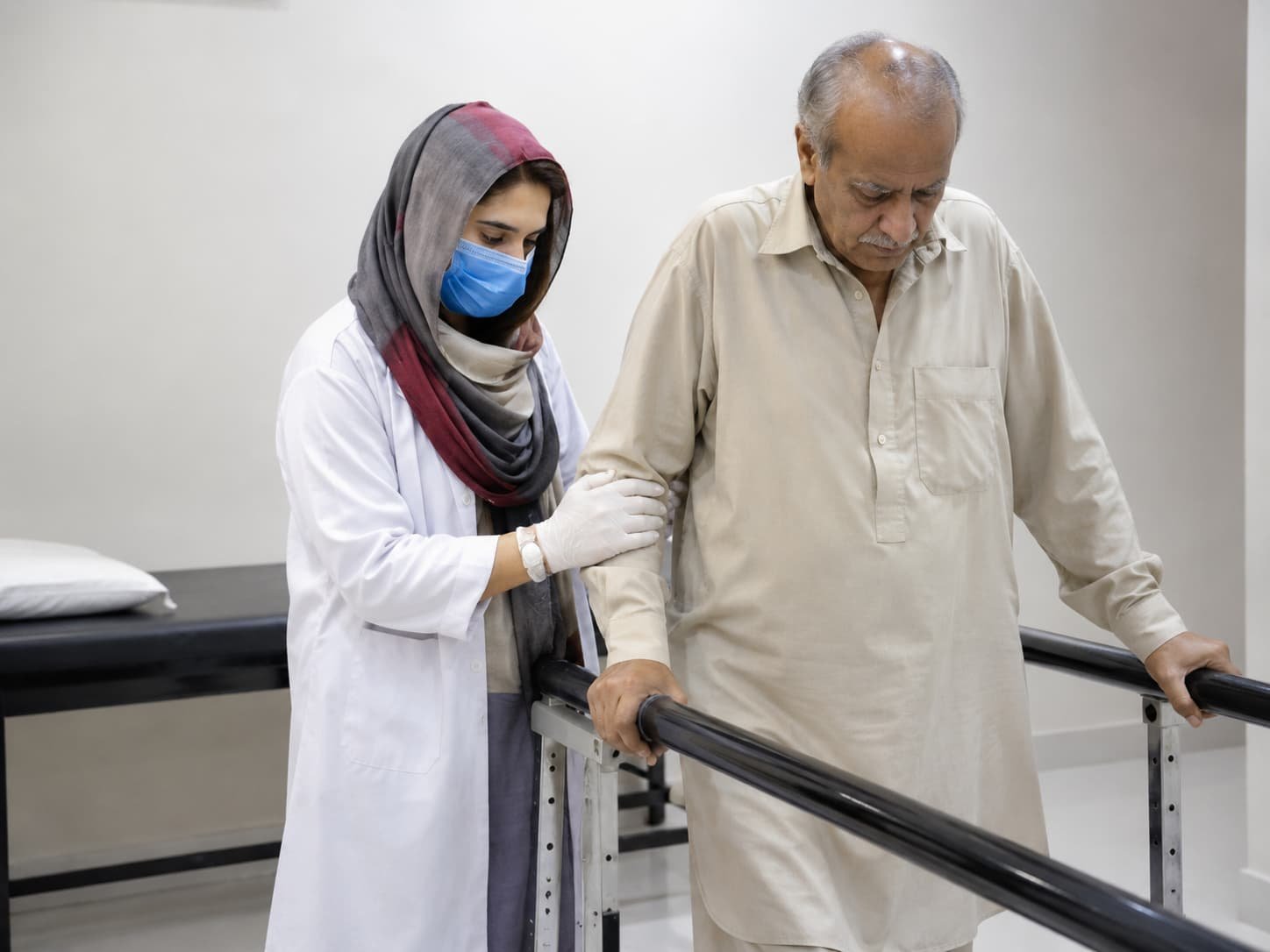
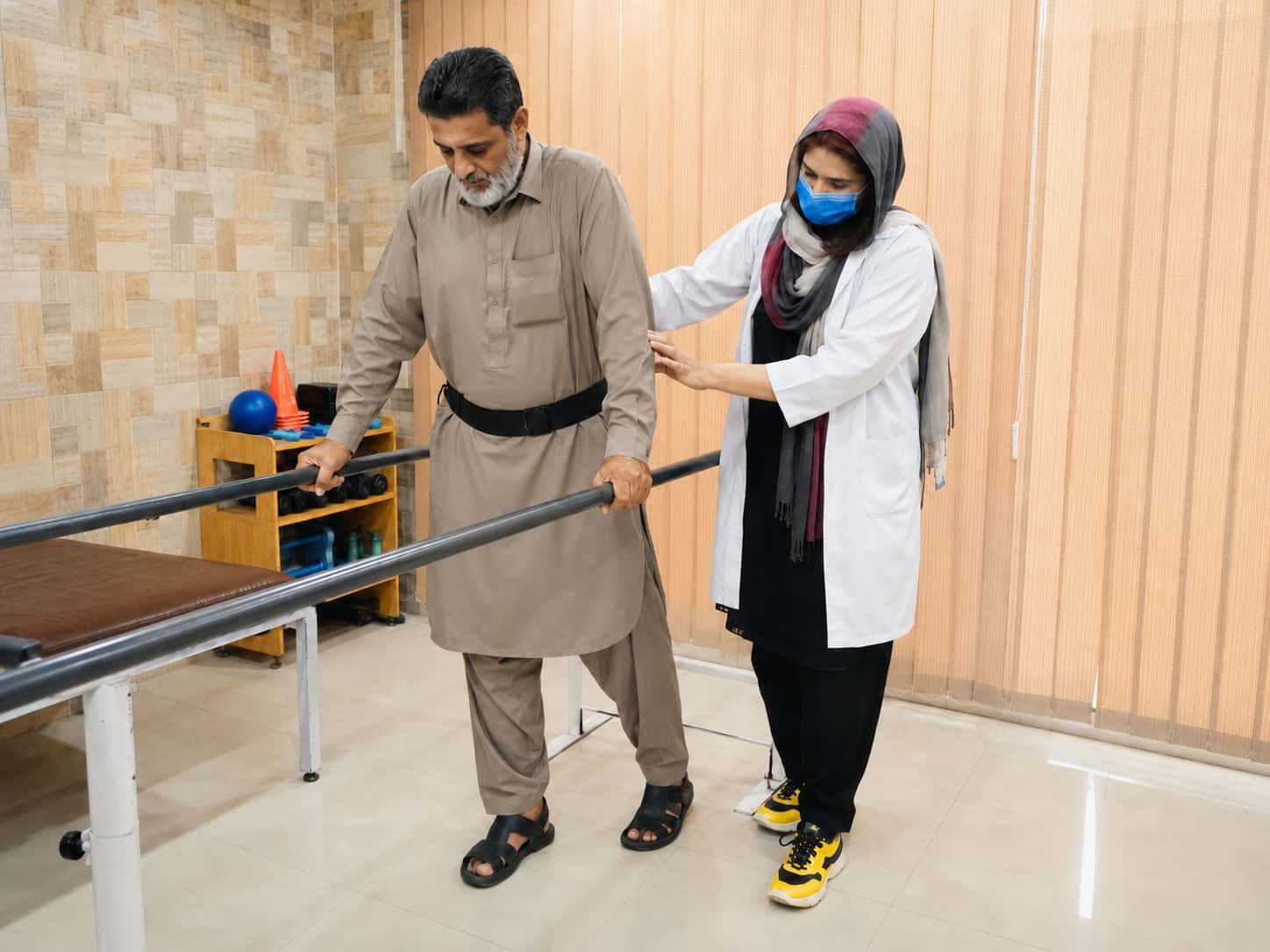
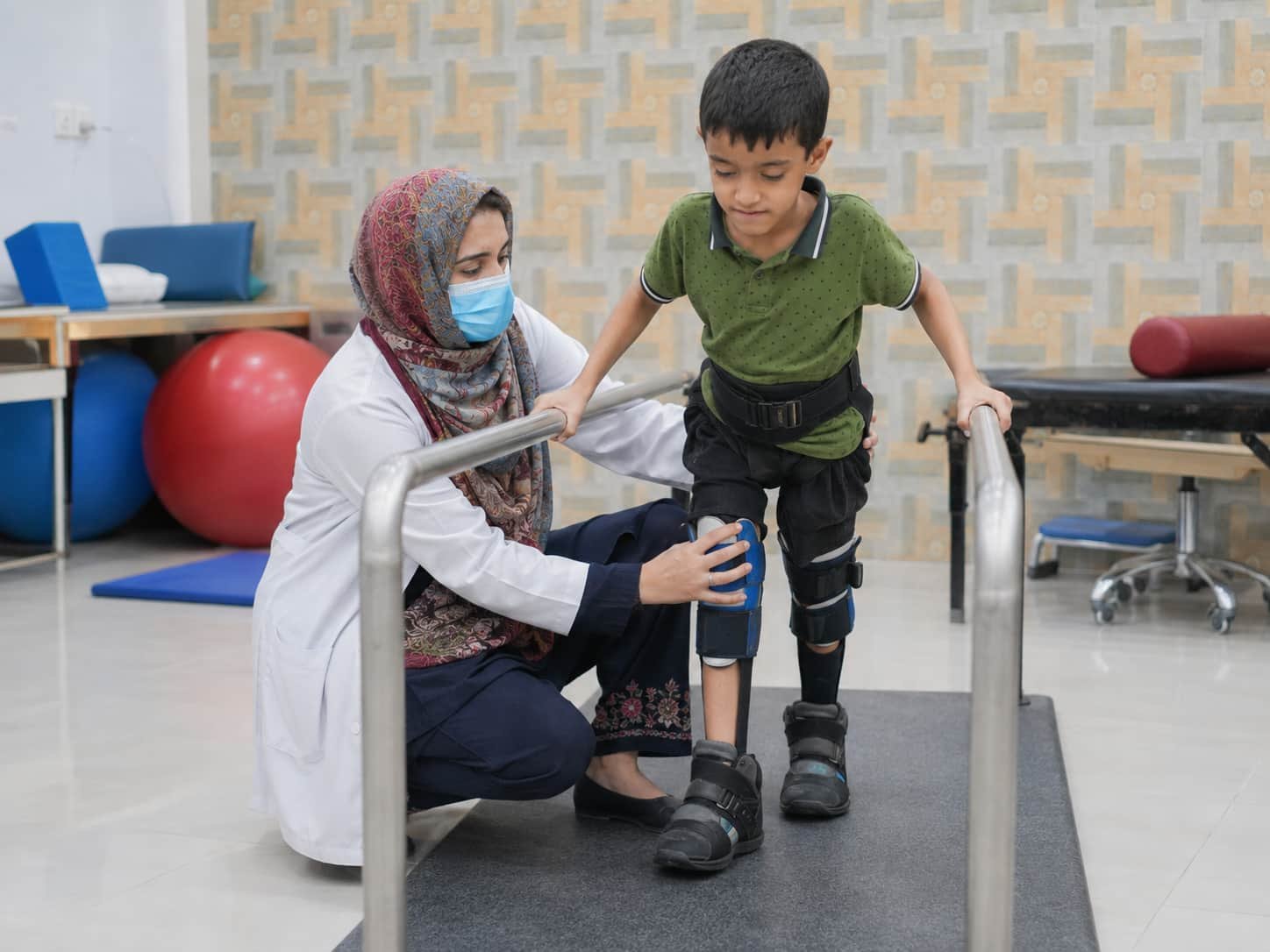
Treadmill gait training may be used when weakness, a neurological condition, poor balance, reduced endurance, or another movement problem has affected your ability to walk. Repeated walking practice can help work on walking pattern, coordination, endurance, confidence, and the ability to move more safely according to your current level of function. In some rehabilitation settings, body-weight support may also be used to reduce the amount of weight placed through the legs while walking. The type and intensity of gait training should depend on your physical abilities, safety, and the goals identified during assessment.
How Is the Right Physiotherapy Plan Selected?
Your physiotherapy plan should depend on the physical problem affecting you, what you are currently able to do, and which activities have become difficult. For example, someone struggling with stairs because of knee weakness may need a different approach from someone recovering after a stroke or surgery. Your physiotherapist can consider your symptoms, movement, strength, balance, mobility, medical history, and functional needs before deciding which treatment methods may be appropriate. The plan may include exercises, strengthening, mobility work, balance training, walking practice, movement guidance, home exercises, or other suitable approaches. You should not receive the same rehabilitation plan simply because another person has pain in the same area.
How Are Physiotherapy Goals Decided?
Your physiotherapy goals should relate to the activities that pain, weakness, stiffness, poor balance, injury, surgery, or another physical problem is preventing you from doing comfortably or independently. You may want to walk more safely, use stairs with less difficulty, return to work, move a painful joint more easily, rebuild strength after surgery, improve balance, or return to suitable exercise. Your physiotherapist can use the assessment findings together with your priorities and current abilities to decide which goals are realistic and useful. Goals should focus on improving meaningful physical function rather than simply completing exercises during a clinic session.
How Is Progress Reviewed During Physiotherapy?
Progress should be reviewed according to the physical problem you started with and the activities you are trying to improve. You may notice that you can walk farther, use stairs more comfortably, move a joint through a greater range, maintain balance more confidently, perform an exercise with better control, or return to parts of your normal routine. Your physiotherapist can compare these changes with your earlier symptoms, strength, movement, balance, mobility, and functional abilities. If you are not progressing as expected, the rehabilitation plan may need to be adjusted, the goal may need to be reviewed, or another healthcare assessment may be appropriate depending on the reason for the difficulty.
Is Physiotherapy Only for Pain?
Pain is one reason people visit a physiotherapist in Gujrat, but physiotherapy can also address weakness, poor balance, reduced mobility, neurological movement problems, physical recovery after surgery, and childhood movement difficulties. The important question is what has become difficult. You may be unable to walk confidently, rise from a chair, use stairs, move a joint normally or return to activity after an injury without having severe pain. Physiotherapy can focus on the strength, movement, balance or functional problem connected with that limitation.
When Should You Seek Medical Care Instead of Waiting for Physiotherapy?
Some symptoms need urgent medical assessment rather than waiting for a routine physiotherapy appointment. Seek emergency medical care if sudden facial weakness, arm weakness, speech difficulty or other possible stroke symptoms appear. Back pain associated with new loss of bladder or bowel control, loss of feeling around the genital or buttock area or major weakness or numbness affecting both legs also needs urgent assessment. Severe injuries with major deformity, inability to bear weight or rapidly worsening symptoms may also require medical care before routine physiotherapy or rehabilitation is considered.
Frequently Asked Questions About Our Physiotherapist Clinic in Gujrat
Do I Need an X-Ray or MRI Before Seeing a Physiotherapist?
Not every muscle, joint or movement problem requires an X-ray or MRI before physiotherapy. Whether imaging may be useful depends on your symptoms, medical history and examination findings. If you already have scans, reports or information from another healthcare professional, you can bring them to your appointment. If assessment suggests that medical review or further investigation may be required, you can be advised to seek appropriate care rather than assuming that imaging is necessary before every physiotherapy visit.
Is Physiotherapy Just Massage?
No. Physiotherapy can include exercise, strengthening, mobility work, balance training, walking practice, movement rehabilitation, education, home exercises, activity guidance and suitable hands-on techniques. Massage or another manual technique may sometimes form part of treatment, but it does not define physiotherapy as a whole. The methods used should relate to a physical problem identified during assessment and the activity you want to improve, such as walking, climbing stairs, working, exercising or returning to normal movement after an injury.
Will Physiotherapy Hurt?
Some movements or exercises may feel challenging when a joint or muscle is already painful, stiff, weak or recovering from injury, but severe or unexpected pain should not simply be accepted as a normal part of treatment. Tell your physiotherapist if an exercise significantly worsens symptoms or causes a new problem. Your response to treatment provides useful information, and exercises or other rehabilitation activities can be reviewed and adjusted according to your condition, tolerance and progress.
Will I Have Exercises to Do at Home?
You may receive home exercises when they are relevant to your rehabilitation. These can provide additional practice for strength, mobility, balance, walking or another physical ability being addressed during treatment. The exercise should have a clear purpose and be appropriate for your current level. Your physiotherapist can explain what to do and how often to practise it. If an exercise repeatedly causes unexpected or worsening symptoms, discuss it with your physiotherapist rather than continuing without review.
How Many Physiotherapy Sessions Will I Need?
There is no fixed number of sessions that is suitable for everyone. The number of visits can depend on the condition, how long the problem has been present, your current strength and movement, rehabilitation goals and how you respond to treatment. Recovery after surgery or stroke can follow a different course from a recent injury or musculoskeletal problem. Your physiotherapist can discuss the expected plan after assessment and review whether treatment should continue, change or finish as your physical abilities improve.
Can Older Adults Receive Physiotherapy?
Yes. Older adults may need physiotherapy when pain, weakness, poor balance, illness, injury, surgery or reduced mobility affects movement and independence. Rehabilitation goals may involve standing more easily, improving balance, walking more safely, rebuilding strength or maintaining the physical abilities needed for normal daily tasks. Age alone does not determine the treatment plan. Assessment should consider the person’s health, present physical abilities, symptoms and goals before deciding which exercises or rehabilitation activities may be appropriate.
What Should I Wear to a Physiotherapy Appointment?
Wear comfortable clothing that allows you to move easily and makes it practical for the physiotherapist to assess the area causing difficulty. Loose or flexible clothing can make walking, joint movement, strength testing and exercises easier during the appointment. For a knee or leg problem, clothing that allows access to the affected area may be helpful, while a loose top may be more suitable for shoulder or upper-back assessment. If you have privacy or clothing preferences, you can discuss them with the physiotherapist so the assessment can be carried out respectfully.
Do I Need a Doctor’s Referral Before Seeing a Physiotherapist?
Not always. Many people seek physiotherapy directly when pain, stiffness, weakness, injury or reduced movement is affecting normal activities. Whether you need to see a doctor first depends on your symptoms, medical history and the type of problem you have. If your symptoms suggest that medical investigation, imaging or another specialist assessment may be necessary, you may be advised to seek appropriate medical care before or alongside physiotherapy. If you are unsure where to start, you can first explain what is troubling you and how it is affecting your daily activities.
What If My Pain or Movement Problem Comes and Goes?
Symptoms do not have to be present every minute for physiotherapy assessment to be useful. Pain, stiffness or movement difficulty may change depending on work, exercise, sitting, standing, walking, sleep or another activity. Tell the physiotherapist when the problem usually appears, how long it lasts, which movements trigger it and what helps it settle. This information can help connect your symptoms with particular activities or movement patterns. If symptoms suddenly become severe, change significantly or occur with concerning neurological or other medical signs, appropriate medical assessment may be needed.
Should I Stop Exercise or Normal Activities While Having Physiotherapy?
Not necessarily. Complete rest is not appropriate for every pain or movement problem, and staying suitably active can be an important part of rehabilitation. Whether you should continue work, walking, exercise or another activity depends on your condition, symptoms and the movements involved. A physiotherapist can help you decide which activities can continue, which may need temporary modification and how activity can be gradually increased as your ability improves. If an activity causes severe pain, significant worsening of symptoms or a new concerning problem, it should be reviewed rather than simply pushed through.

 Address: Backside of Butt Brother Pharmacy, Katchery Chowk, Gujrat
 Opening Hours: Mon–Sat 9am–5pm