
Cupping Therapy in Gujrat - Ease Muscle Tightness
Muscle pain or tightness affecting daily life? Get cupping therapy in Gujrat at Butt Autism & Rehab Center for local complementary care.
Make an Appointment
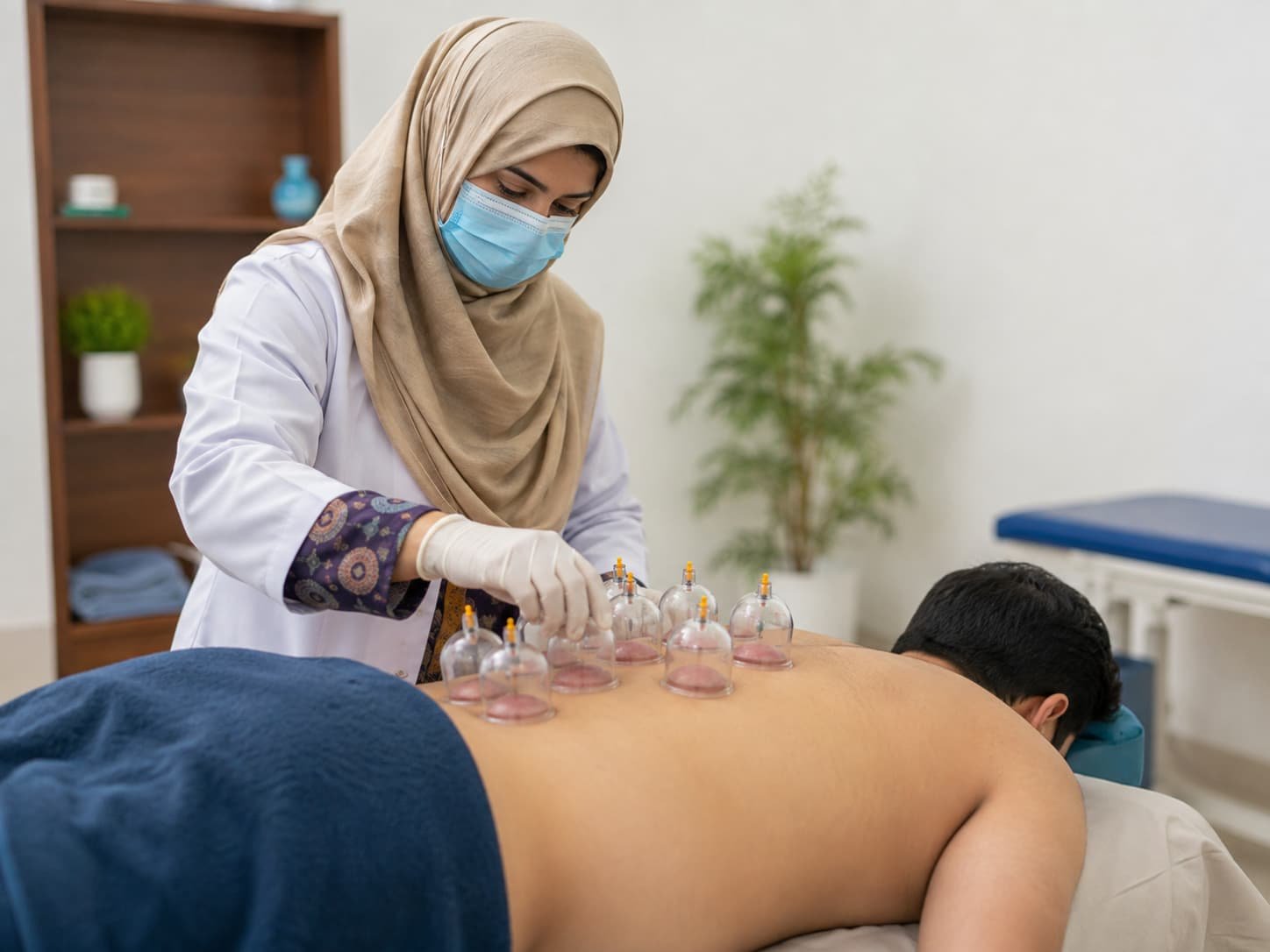
Why Choose Our Cupping Therapy Service in Gujrat?
Experienced Cupping Care
Receive cupping from a trained practitioner who considers your symptoms, comfort, and treatment needs before the session.
Cupping Within a Therapy and Rehabilitation Center
Cupping is provided within our therapy and rehabilitation center, where other services are available when a different rehabilitation need is identified. If your discomfort is also linked with weakness, limited movement, balance problems, or another physical rehabilitation need, physiotherapy may be more relevant for addressing those limitations.
Care Based on Your Symptoms
Cupping is not suitable for every condition. Your pain, muscle tightness, health history, skin condition, and other treatment should be considered before deciding whether it may be appropriate.
Clear Guidance Before Treatment
You can discuss what is bothering you, what you expect from cupping, and whether another form of care should be considered before treatment begins.
Focus on Comfort and Safety
Cupping can leave temporary marks on the skin and may not be appropriate for everyone. Treatment should be provided with attention to hygiene, skin condition, and your individual circumstances.
Visit Our Clinic
 Address: Backside of Butt Brother Pharmacy, Katchery Chowk, Gujrat
 Opening Hours: Mon–Sat 9am–5pm
Sunday Closed
If you are coming for cupping therapy, Butt Autism & Rehab Center is located at Katchery Chowk, behind Butt Brother Pharmacy and near Zahoor Elahi Stadium. Visitors travelling from Fawara Chowk can reach the clinic through GTS Chowk, Service More, and Shadman, while those coming from the University side can approach through Loran. This location gives people from different parts of the city easier access to cupping care when muscle tightness, soreness, or certain types of discomfort are affecting daily activities.
Call us for Free Consultation
Our Pricing
Physiotherapy → Rs.1500/session
Autism Therapy → Rs.1500/session
Speech Therapy → Rs.1500/session
Occupational Therapy → Rs.1500/session
Cupping Therapy → Rs.300/cup
Looking for a Hijama Center in Gujrat for Ladies?
Yes. We provide hijama and cupping therapy for women in Gujrat, with a female practitioner available for female patients. If privacy and comfort are important to you, you can receive care from a female practitioner and discuss your symptoms, health history, and reason for considering hijama before the session. If you are searching for a hijama center in Gujrat for ladies, our service gives women access to cupping care in a setting where their privacy and individual needs can be considered.
What Is Cupping Therapy and How Does It Work?
If you have seen the circular marks left after cupping and wondered what happens during treatment, the main action is suction. A practitioner places cups against selected areas of your skin and creates negative pressure inside them, which pulls the skin upward into the cup. Cups may be made from glass, plastic, silicone, or other suitable materials depending on the method being used. Cupping has a long history in traditional healthcare practices and is now commonly considered for muscle soreness, back discomfort, neck discomfort, and other pain-related concerns. Current research suggests it may reduce certain types of pain for some people, but the evidence remains limited. Your decision should therefore consider your symptoms, health history, other treatment, and whether another form of care may also be needed.
What Types of Cupping Therapy May Be Used?
Cupping can be performed in different ways depending on the method being used. The main difference is whether the cup remains in one place, whether the skin is intentionally punctured, or whether the cup is moved across the skin. The type of cupping that may be suitable for you should depend on your reason for treatment, health history, skin condition, medicines, bleeding risk, and the method available at the clinic.
What Is Dry Cupping?
Dry cupping uses suction without intentionally puncturing the skin. Cups are placed on selected areas and negative pressure draws the skin upward into the cup. You may feel pulling or tightness while the cup is in place, and temporary circular marks can remain afterward. Because the skin is not intentionally opened, dry cupping does not involve the same blood exposure as wet cupping, although hygiene and appropriate equipment handling are still important.
What Is Wet Cupping or Hijama?
Wet cupping, commonly called hijama, combines suction with small superficial openings in the skin so a small amount of blood can enter the cup. Because the skin is broken and blood is involved, wet cupping carries additional concerns such as bleeding, infection, and blood exposure. Your health history, medicines, skin condition, anemia, bleeding problems, and other relevant factors should be considered before deciding whether hijama is appropriate for you.
What Is Moving Cupping?
Moving cupping, sometimes called sliding cupping, involves applying a suitable lubricant to the skin and then moving the cup across the treatment area while maintaining suction. Unlike stationary cupping, the cup does not remain in one position throughout the procedure. This method may be used over selected muscle areas, but it can still cause temporary redness, skin irritation, or marks. The practitioner should consider your skin condition, comfort, and reason for treatment before deciding whether moving cupping is suitable.
Why Might You Consider Cupping Therapy?
You may be considering cupping because discomfort keeps interfering with activities that matter to you. Muscle tightness may make exercise difficult, back discomfort may affect sitting or working, and neck or shoulder soreness may make everyday movement uncomfortable. Some people feel temporary relief after cupping, but the response varies between individuals. Current evidence does not support promising that cupping will permanently remove pain or treat every condition that causes discomfort. If pain keeps returning, becomes worse, or occurs together with weakness, numbness, loss of movement, or another physical problem, identifying the cause becomes more important than repeatedly treating the painful area. Cupping can be considered as complementary care when suitable, while physiotherapy or medical assessment may be needed for other problems.
Can Cupping Help With Back, Neck, or Muscle Pain?
If back, neck, shoulder, or muscle pain is affecting sitting, sleeping, working, exercise, or movement, you may be interested in cupping because pain is one of the main reasons people seek this treatment. Research suggests cupping may help reduce pain for some people, including some people with low back pain, but the quality of much of the available research is limited, so a particular result cannot be promised. Pain relief also does not necessarily mean that the underlying cause has been addressed. If your discomfort is connected with weakness, reduced movement, injury, poor balance, or another functional problem, physiotherapy may be more relevant or may need to be considered alongside other care. The important question is whether cupping fits the symptoms you are experiencing.
Are Hijama, Medication and Cupping Therapy the Same?
If you have searched for hijama medication cupping therapy, it is useful to understand the difference between these terms. Hijama usually refers to wet cupping, where the skin is superficially punctured as part of the procedure. Cupping therapy is the broader term and can include wet or dry methods. Medication is different because it involves medicines prescribed or recommended for a health condition. Cupping should not replace medication that your doctor has advised you to take, and you should not stop prescribed treatment because you plan to have hijama. If you use regular medicines or have an ongoing health condition, tell the practitioner before treatment so suitability can be considered.
What Should Happen Before Your Cupping Session?
Before having cupping, you should be able to explain what is bothering you, how long you have had the problem, whether you have an existing medical condition, and whether you are receiving other treatment. Your health history matters because cupping may not be suitable for every person. You should also mention skin problems, previous reactions to cupping, medicines you take, bleeding concerns, pregnancy, or other medical issues that may affect safety. If the problem you describe appears to need another form of assessment, cupping should not be used simply because it was the service you originally planned to receive. Choosing care based on the actual problem is more useful than applying the same procedure to every complaint. If you are considering cupping therapy in Gujrat, explain your symptoms, health history, medicines, and any previous reactions before the session so the practitioner can consider whether the treatment is suitable for you.
What Should You Expect During Cupping?
If this is your first session, the pulling sensation created by suction may feel unfamiliar. Cups are placed on selected areas of the skin and suction causes the skin to rise inside them. With dry cupping, the skin is not intentionally cut. Wet cupping or hijama involves superficial skin openings and therefore requires additional attention to infection control and blood exposure. You may feel pressure or tightness while the cups are in place. Severe pain should not simply be accepted as normal. Tell the practitioner if you feel unwell, unusually dizzy, or experience significant discomfort during the procedure.
How Is the Right Type of Cupping Selected?
The type of cupping considered for you should depend on why you are seeking treatment, your health history, skin condition, medicines, bleeding concerns, previous reactions and the methods available. Dry, wet and moving cupping involve different procedures and should not automatically be considered equally suitable for every person. The practitioner should consider these factors before deciding whether cupping is appropriate and which available method may be suitable.
Will Cupping Leave Marks on Your Skin?
Yes. If you are concerned about visible marks after a session, you should know about them before treatment. Cupping commonly leaves round red, purple, or darker marks where suction was applied. These marks are usually temporary and can remain visible for several days or sometimes longer. Their appearance does not prove that toxins have been removed from your body. The marks result from the effect of suction on the skin and small blood vessels underneath it. If you have an event, work requirement, or clothing preference that makes visible marks inconvenient, consider this when deciding when and where to have cupping.
Does Cupping Remove Toxins From Your Body?
You may see cupping advertised as a way to pull toxins or impurities from the body, especially on commercial hijama websites. Current research does not provide strong evidence that cupping removes undefined toxins from your body in the way these claims often suggest. The visible circular marks after treatment should also not be treated as proof of toxins leaving the body. It is more accurate to describe cupping as a traditional complementary practice involving suction, with limited evidence suggesting possible pain relief for some people. Clear information helps you decide whether you want to try cupping without expecting benefits that have not been established.
Is Cupping Safe for Everyone?
No. Cupping is not automatically suitable because it is a traditional or non-drug treatment. It can cause temporary skin marks, soreness, skin discoloration, burns, scarring, and infection. Wet cupping also involves blood exposure, which makes proper infection-control practices particularly important. People with certain medical conditions, bleeding problems, anemia, active skin conditions, pregnancy, or other health concerns may need to avoid cupping or seek medical advice first. Your medicines may also matter, especially if they affect bleeding. If you are unsure whether your health condition makes cupping unsuitable, discuss it with an appropriate healthcare professional rather than assuming the procedure is harmless for everyone.
Call us for Free Consultation
Frequently Asked Questions About Cupping Therapy and Hijama
Is Cupping Therapy Painful?
You may feel pulling, pressure, or tightness because suction draws the skin upward into the cup. Dry cupping does not intentionally puncture the skin, while wet cupping involves small superficial openings and may cause additional discomfort. Mild soreness can occur afterward, but severe pain should not be considered an expected part of treatment. Tell the practitioner if the sensation becomes difficult to tolerate or you feel unwell during the session.
Can I Eat Before a Cupping or Hijama Session?
You should follow any preparation instructions given when you book your appointment. There is no single preparation rule that is appropriate for every person, and you should not deliberately stop eating or drinking for a long period simply because you are having cupping unless an appropriate healthcare professional has advised you to do so. Tell the practitioner if you have diabetes, become dizzy when you have not eaten, are pregnant, take regular medicines, or have another medical condition that could affect your session. Arriving well hydrated and discussing your health beforehand can help the practitioner consider whether cupping is suitable for you.
Can Cupping Permanently Cure Back Pain?
No. Cupping should not be presented as a permanent cure for back pain. Some research suggests possible short-term pain relief for certain people, but the evidence is not strong enough to promise a specific result. Back pain can have many causes, and persistent or recurring symptoms may require physiotherapy, medical assessment, exercise, medication, or another form of treatment.
Can I Have Cupping Instead of Physiotherapy?
That depends on why you have pain or discomfort. If your problem involves weakness, reduced mobility, balance, joint movement, or another physical limitation, physiotherapy may address areas that cupping does not. Cupping can be considered a complementary option for some people, but it does not perform the same role as physiotherapy assessment, exercise, strength work, or movement rehabilitation.
Can I Stop My Medication Before Hijama?
Do not stop prescribed medication simply because you plan to have hijama. Some medicines may also affect whether wet cupping is appropriate, particularly medicines that influence bleeding. Tell the practitioner what medication you take and speak with the clinician who prescribed it if you are considering changing or stopping it. Cupping should not replace necessary medical treatment without appropriate professional advice.
How Often Should I Have Cupping?
There is no single evidence-based schedule that is right for every person. How often cupping is considered should depend on the reason you are using it, the method being used, your health, your response to previous sessions, and whether the treatment remains appropriate. Repeated wet cupping also involves blood loss, and rare cases of anemia have been reported, so more frequent treatment should not automatically be assumed to provide better results.
Can Cupping Cause Infection?
Yes. Infection is a possible complication, particularly when the skin is broken during wet cupping. Equipment exposed to blood can also spread blood-borne infections if proper infection-control procedures are not followed. This is one reason hygiene, appropriate equipment handling, and suitability checks matter when choosing where to have hijama or cupping.
Why Are Cupping Marks Darker on Some Areas?
The color and appearance of cupping marks can vary depending on the suction, treatment area, skin response, and other factors. Darker marks should not be interpreted as proof that a particular organ is unhealthy or that more toxins were removed from that location. The marks occur because suction affects the skin and small blood vessels beneath it and usually fade with time.
Can Pregnant Women Have Cupping?
Pregnancy can change which treatments are suitable, and there is limited research on the safety of cupping during pregnancy. If you are pregnant, speak with your healthcare professional before considering cupping rather than assuming it is safe because it does not involve medication.
Can Cupping Be Used on Skin With Eczema or a Rash?
Cupping should not simply be applied over irritated, infected, injured, or otherwise unhealthy skin. Cupping can worsen some skin conditions and can cause additional irritation or infection. If you have eczema, psoriasis, a rash, wounds, or another skin condition in the area you want treated, mention it before the session and seek appropriate medical advice when necessary.
What Should I Do If I Feel Unwell After Cupping?
Some people may experience temporary soreness, tiredness, dizziness, or skin discomfort after treatment. Seek medical advice if you develop severe pain, burns, increasing redness, swelling, discharge, fever, or other signs that could suggest infection or another complication. Symptoms that are severe or getting worse should not be dismissed as a normal sign that the treatment is working.
Where Can I Find Cupping Therapy Near Me in Gujrat?
We provide cupping therapy in Gujrat at Backside of Butt Brother Pharmacy, Katchery Chowk, near Zahoor Elahi Stadium. If muscle tightness, soreness, or certain types of pain are affecting your comfort, you can contact the clinic to discuss whether cupping may be appropriate for you and confirm the type of cupping currently available.
Neighbourhoods We Serve!
People from across Gujrat can visit Butt Autism & Rehab Center for cupping therapy, including those living in Shadman Colony, New Shadman Colony, Model Town, Marghzar Colony, Lalazar Colony, Shalimar Town, Saleem Colony, Gulberg Colony, Jalal Cheema Colony, Zeb Colony, Ahmad Town, Rashid Colony, Al-Nabi Colony, Shehzad Colony, Barha Dari Colony, Dar-ul-Islam Colony, Asghar Town, New Model Town, Akhtar Shah Colony, Omeer Town, Gulshan Colony, Elahi Colony, Mehtab Colony, Maqbool Abad, Khalidabad, Kalupura, Bakhshupura, Hayat Pura, Shah Faisal Pura, Qutababad, and other nearby neighborhoods. People living around Bhimber Road, Rehman Shaheed Road, G.T. Road, Jalalpur Jattan Road, Sargodha Road, Railway Road, Shahdola Road, and surrounding parts of the city can also visit for cupping appointments. Our cupping therapy services are available to people from throughout Gujrat and nearby localities.
Serving People Across the City
Home to around 574,000 people, Gujrat has strong links with fan manufacturing, furniture, pottery, textiles, agriculture, trade, and education. Daily life here includes factory work, shopkeeping, office jobs, teaching, farming, family businesses, and long hours spent travelling or working in physically demanding routines. These activities can sometimes contribute to muscle soreness, back discomfort, shoulder tightness, or general physical strain. Having access to cupping therapy nearby can be useful for people who want to consider complementary care without travelling to another city. Cupping may be considered by some adults for muscle tightness, soreness, or certain types of pain, depending on their health history and whether the treatment is suitable for them.